Fitbit Edge Unboxing: GPS, ECG and a Week of Battery for $179
Google's new Fitbit Edge replaces the Charge 6 with a bigger screen, a real button and built-in GPS. Here's what's in the box, what's new and what's missing.
 By CharyPublished 3 min read
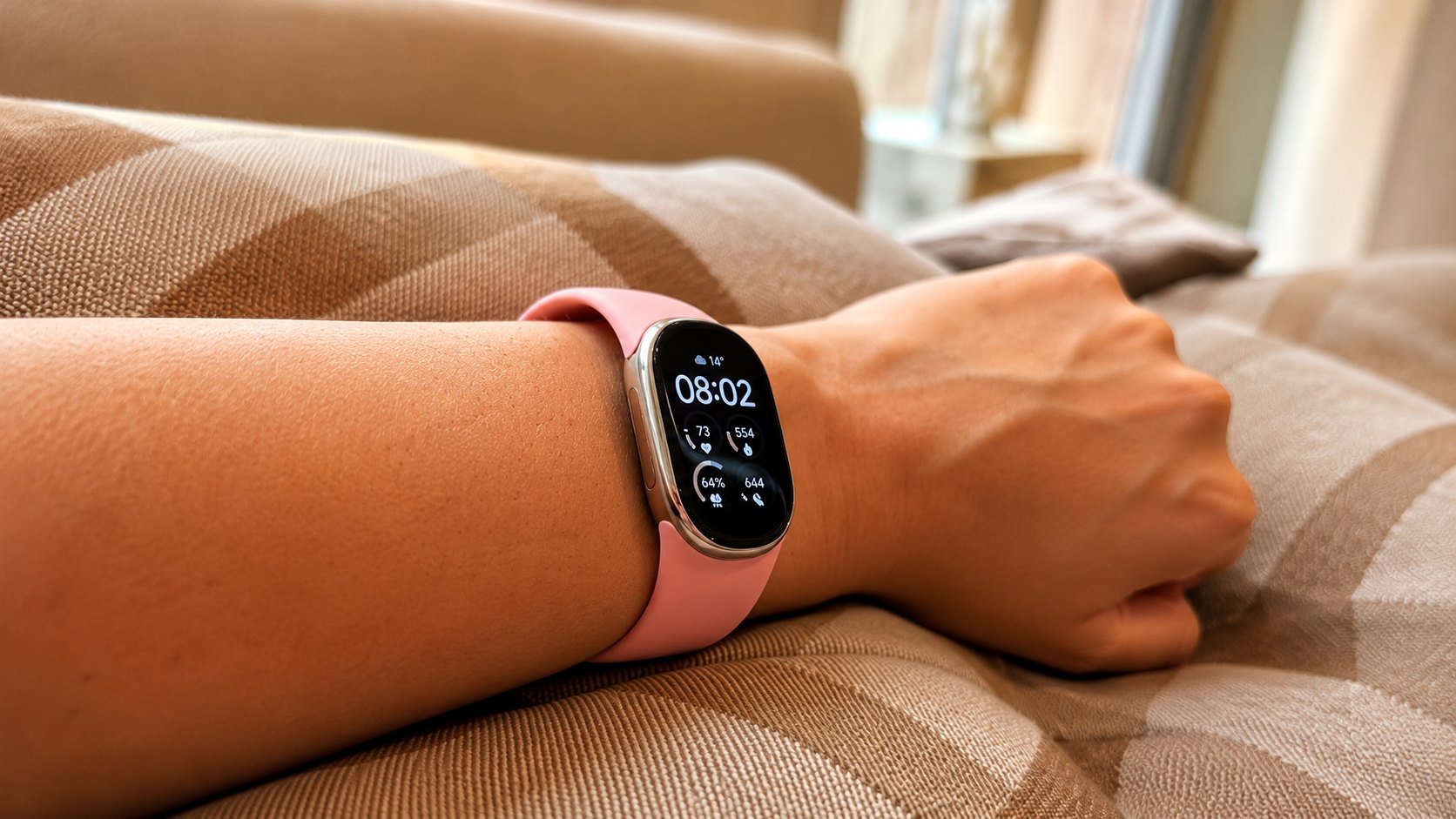
We unboxed the brand new Fitbit Edge, Google’s replacement for the Charge 6. For $179.99 (€179.99 in Europe) you get built-in GPS, an ECG app and up to 7 days of battery in a band that’s only 11.5 mm thin. It works with both Android and iPhone, and all your data now lands in the new Google Health app. This is a first look, not a full review: Google itself recommends wearing it for about two weeks before the sleep and health scores are calibrated, so our verdict comes later.
Google sent us this Fitbit Edge as a review unit. That doesn’t buy the verdict, and where something is missing, we say so.
Prefer video? Watch our unboxing Reel on Instagram.
What this is
The Fitbit Edge is a fitness tracker, not a smartwatch. It sits between the Fitbit Air and the Pixel Watch: a slim band with a screen, focused on activity, sleep and health tracking rather than apps and payments.
It’s also the first tracker built around the new Google Health app and Google Health Coach, the AI coach built with Gemini. You can wear it on its own, or alongside a Fitbit Air or Pixel Watch (Pixel Watch on Android only). The app merges the data from all of them into one picture, and you can filter by device.
What’s in the box
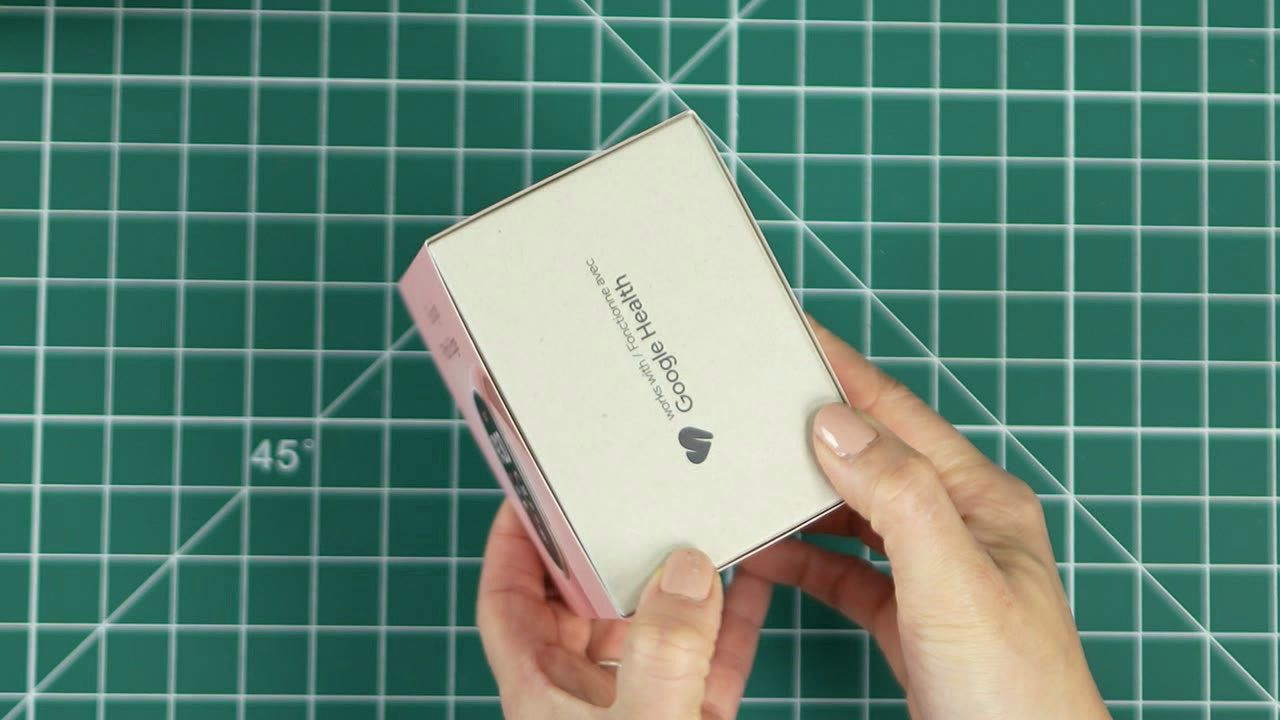
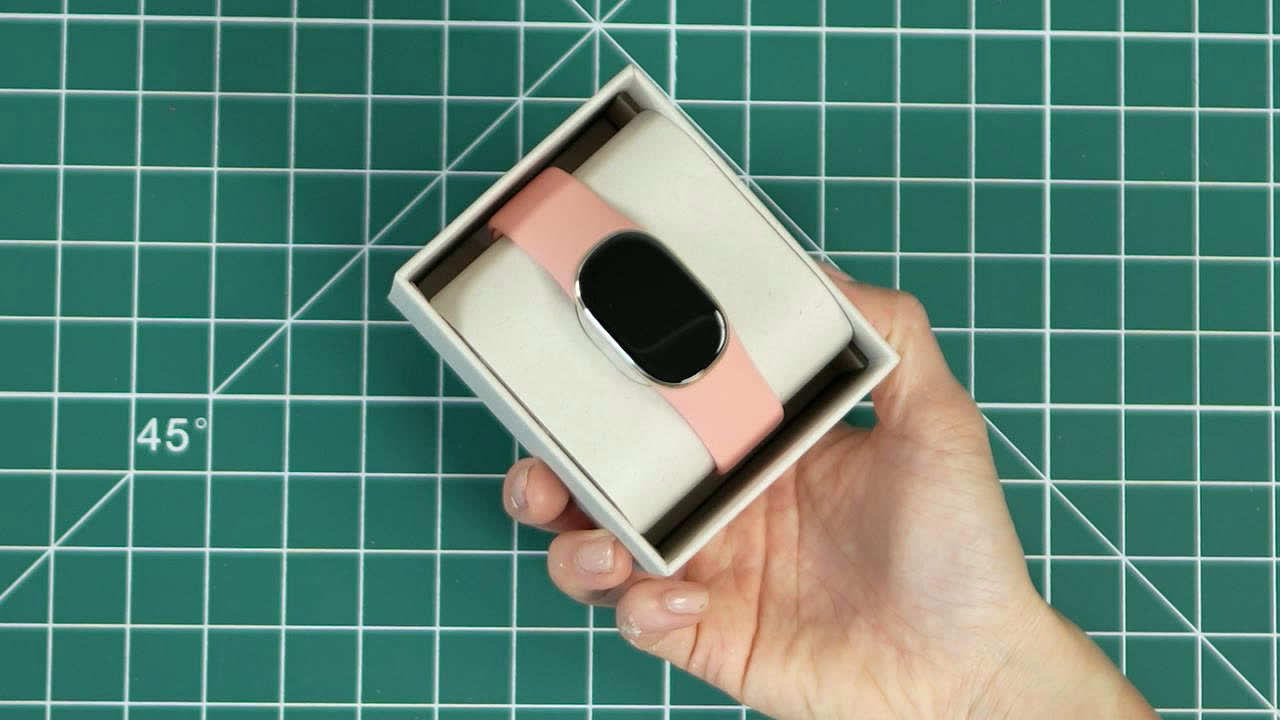
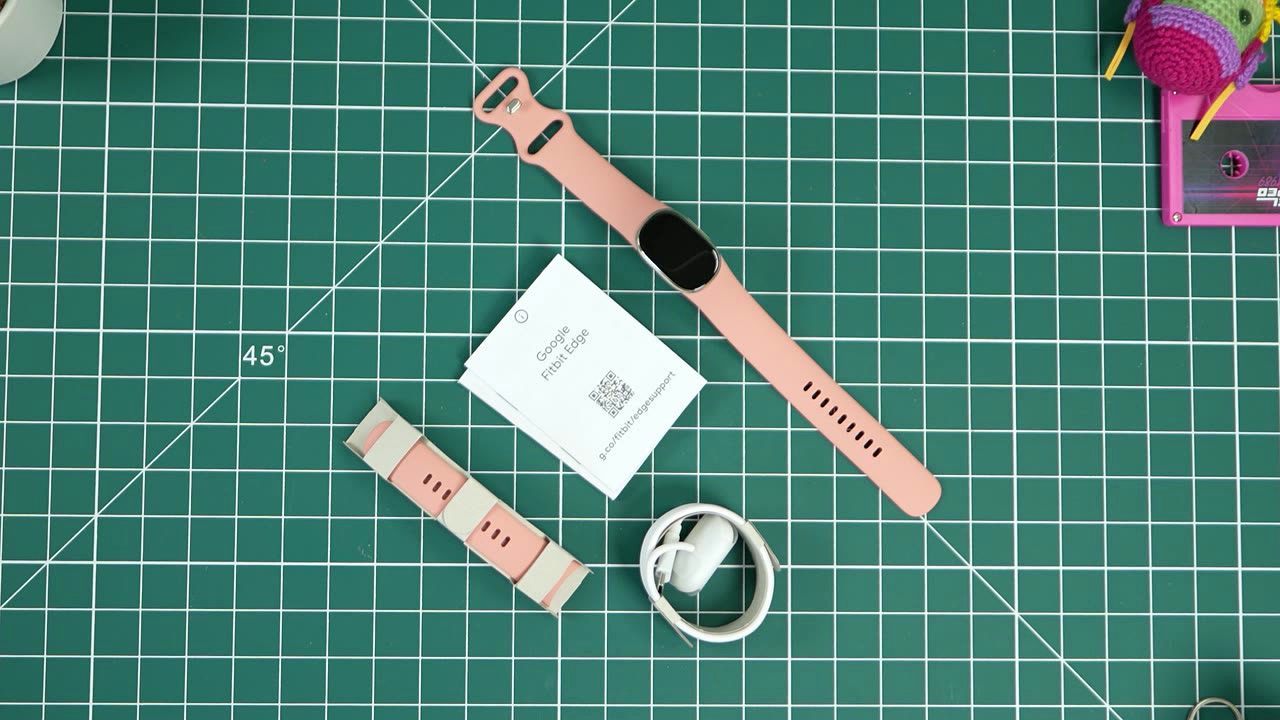
- Fitbit Edge with the Active Band
- A second band size
- USB-C charger
- Paperwork
Setup is simple: keep it on the charger, bring it close to your phone and follow the pop-up on Android, or add it from the Connections menu in the app on iPhone. Every unit needs a software update first, so give it a few minutes.
The specs
- 1.34-inch always-on AMOLED screen, 46% bigger than the Charge 6
- Up to 7 days of battery; 0 to 100% in about 90 minutes, and 5 minutes of charging gives you up to a day
- Built-in GPS and altimeter
- ECG, SpO2, heart rate variability, skin temperature and 24/7 heart rate
- 5ATM water resistance and IP68
- 17.7 grams, 11.5 mm thin, aluminium case
- Works with Android 11+ and iOS 16.4+
- 3 months of Google Health Premium included
What’s new
- A real button. The capacitive button of the Charge 6 is gone; this one actually clicks. From the watch face it opens your apps, from anywhere else it takes you back.
- Google Maps on your wrist. Start navigation on your phone and turn-by-turn directions appear on the Edge. It works for runs and bike rides, and starts a workout in the background so you see your stats while navigating.
- Health alerts. High and low heart rate notifications, irregular rhythm notifications for signs of AFib, and monthly blood pressure and insulin resistance trends.
- A replaceable battery. The first Fitbit where the battery can be swapped, depending on your region.
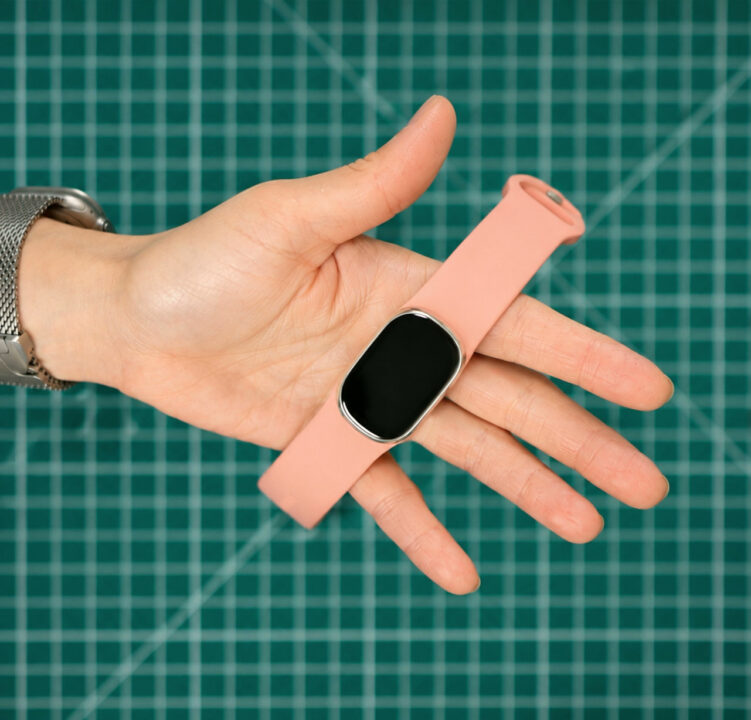
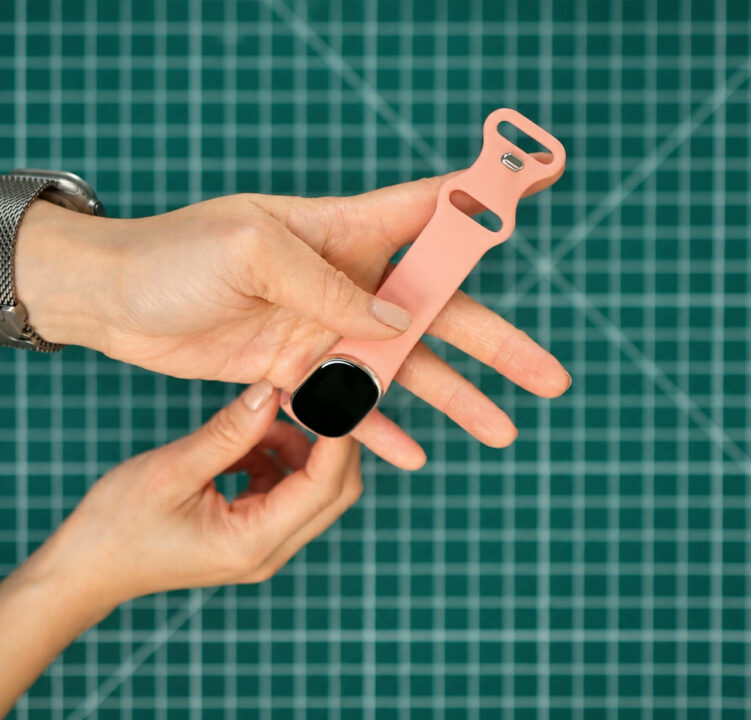
- Snap-in bands. Press the tracker out of the band and click it into another one in seconds. Bands start at $39.99 for the Active Sport and go up to $149.99 for Metal Links.
The Google Health app and coach
The Fitbit app is now the Google Health app, available on Android and iOS. With Premium you also get Google Health Coach, an AI coach you can chat with 24/7. It builds weekly fitness plans, creates workouts on request (“make me a 20-minute HIIT workout”) and lets you log meals or a gym whiteboard from a photo. When you start a coach workout, it runs on the Edge and your phone at the same time and stays in sync.
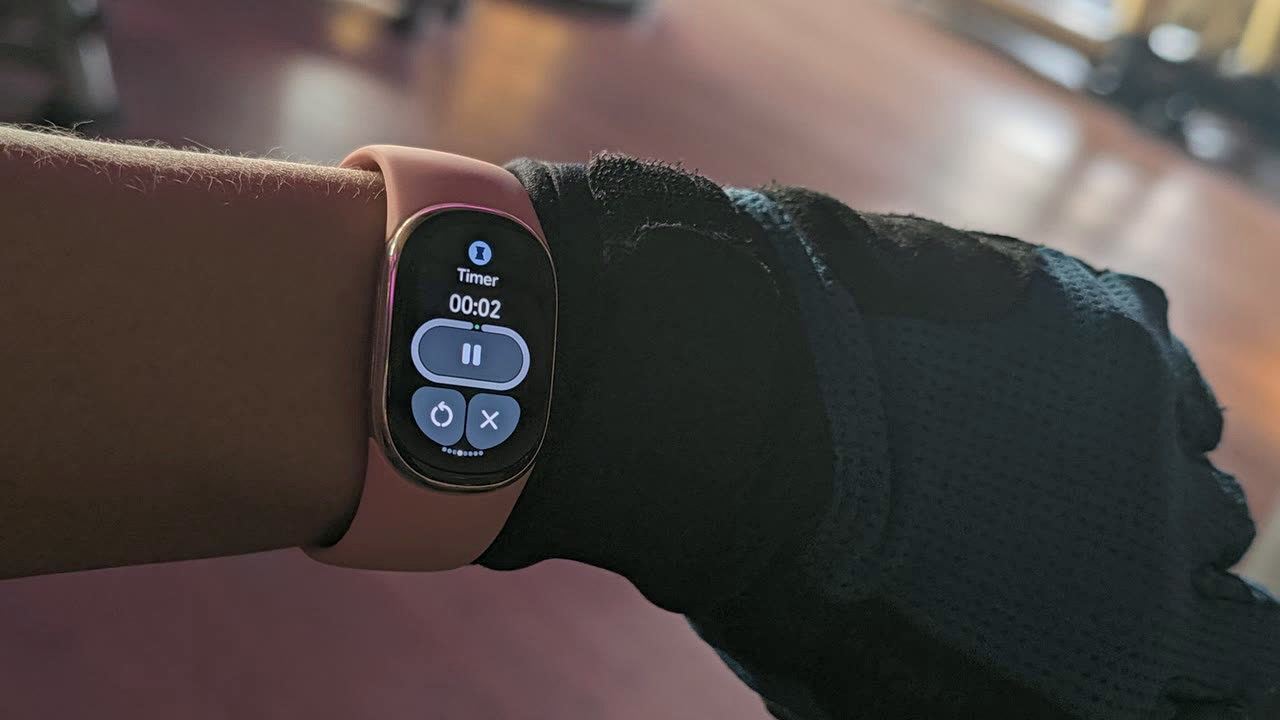
A few things stood out from Google’s material:
- Automatic workout detection now recognises strength training, racket sports and swimming, not just running and cycling. Google says it’s nearly twice as accurate as the previous model.
- Sleep tracking is 15% more accurate according to Google, with a new sleep score that shows which metrics drive it.
- Smart Wake silent alarms vibrate up to 30 minutes early, at a lighter moment in your sleep cycle.
- Heart rate broadcasting sends your live heart rate to compatible gym equipment.
The blood pressure and insulin resistance trends are wellness features, not medical readings. They need at least 5 to 7 days of wear per month, and they don’t replace a blood pressure monitor or a doctor. The ECG app is available in the Netherlands and most of Europe since 23 October.
Price
- Fitbit Edge: $179.99 / €179.99
- Fitbit Edge Stephen Curry Special Edition: $219.99 / €219.99
- Both include 3 months of Google Health Premium; after that it’s $9.99 per month
- Extra bands: $39.99 to $149.99
What to know before you buy
- No NFC, so no tap-to-pay
- No mic or speaker, so no calls, no voice assistant
- Single-band GPS; the Pixel Watch 5 is more accurate
- Your old Fitbit and Pixel Watch bands won’t fit
- Quick replies to messages only work on Android
- The coach and the advanced health trends need Premium after the trial
Fitbit Edge: first impressions
What we like so far: GPS and ECG for under $180 / €180, a week of battery, and a screen that’s way bigger and brighter than the Charge 6. The clicky button sounds like a small thing, but it fixes one of the most annoying parts of the old tracker.
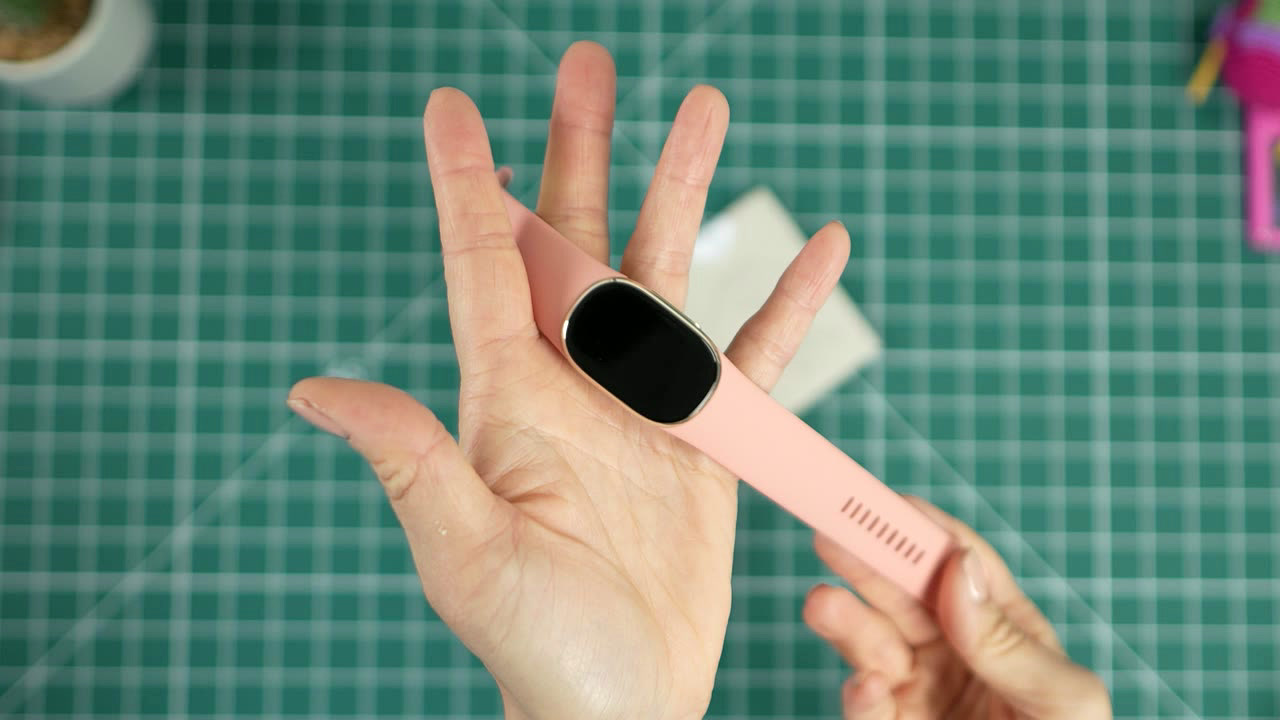
The trade-offs are clear too. If you pay with your watch or want to take calls, this isn’t it, and the most interesting parts of the app sit behind a subscription. If you just want a light tracker that lasts a week and tells you more about your sleep and heart, the Edge looks like a strong comeback for Fitbit.
We’re wearing it day and night for the next few weeks to see how the sleep score, the coach and the health trends hold up. So, honest question: is no tap-to-pay a dealbreaker for you, or do you just want a tracker that lasts a week?